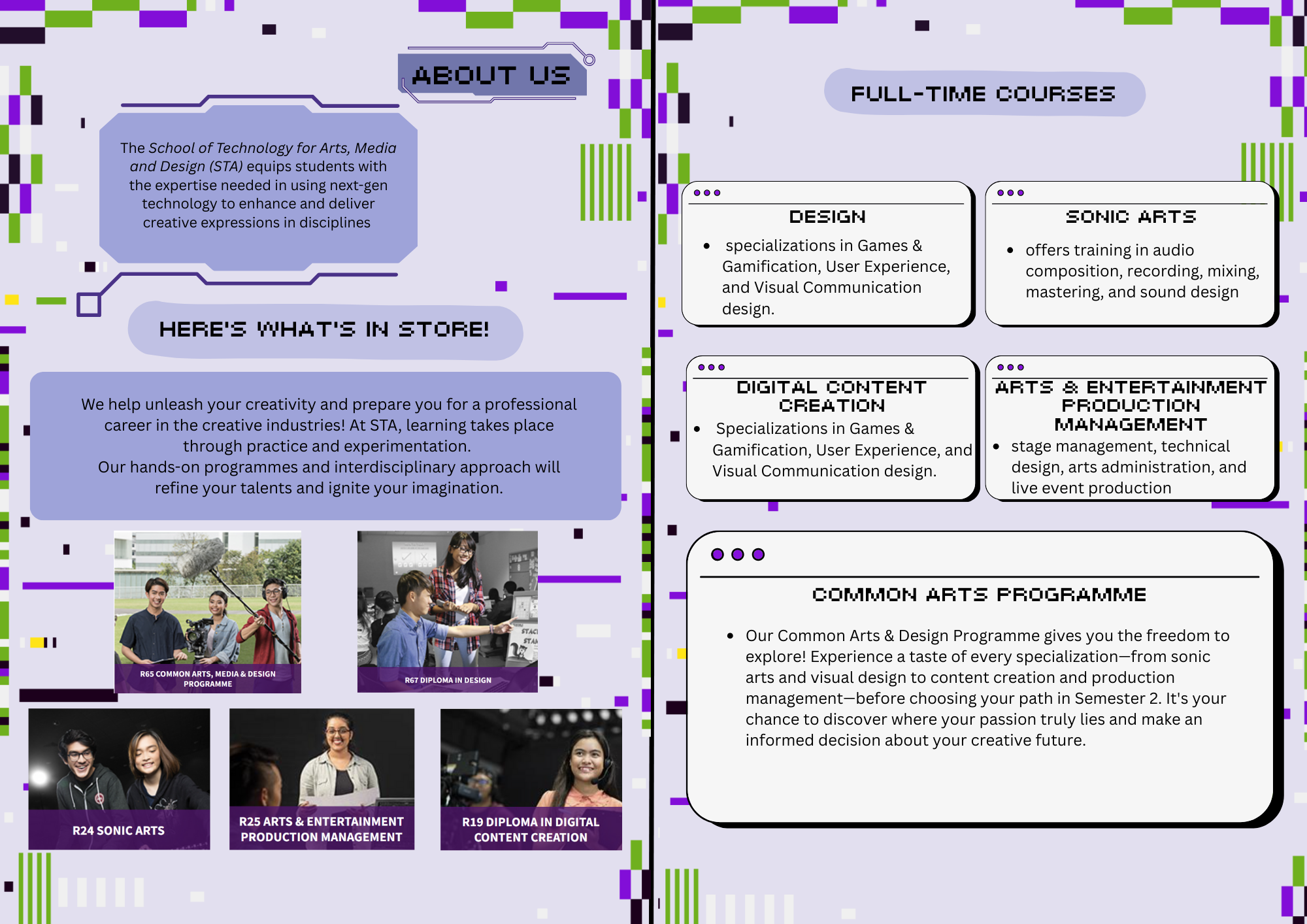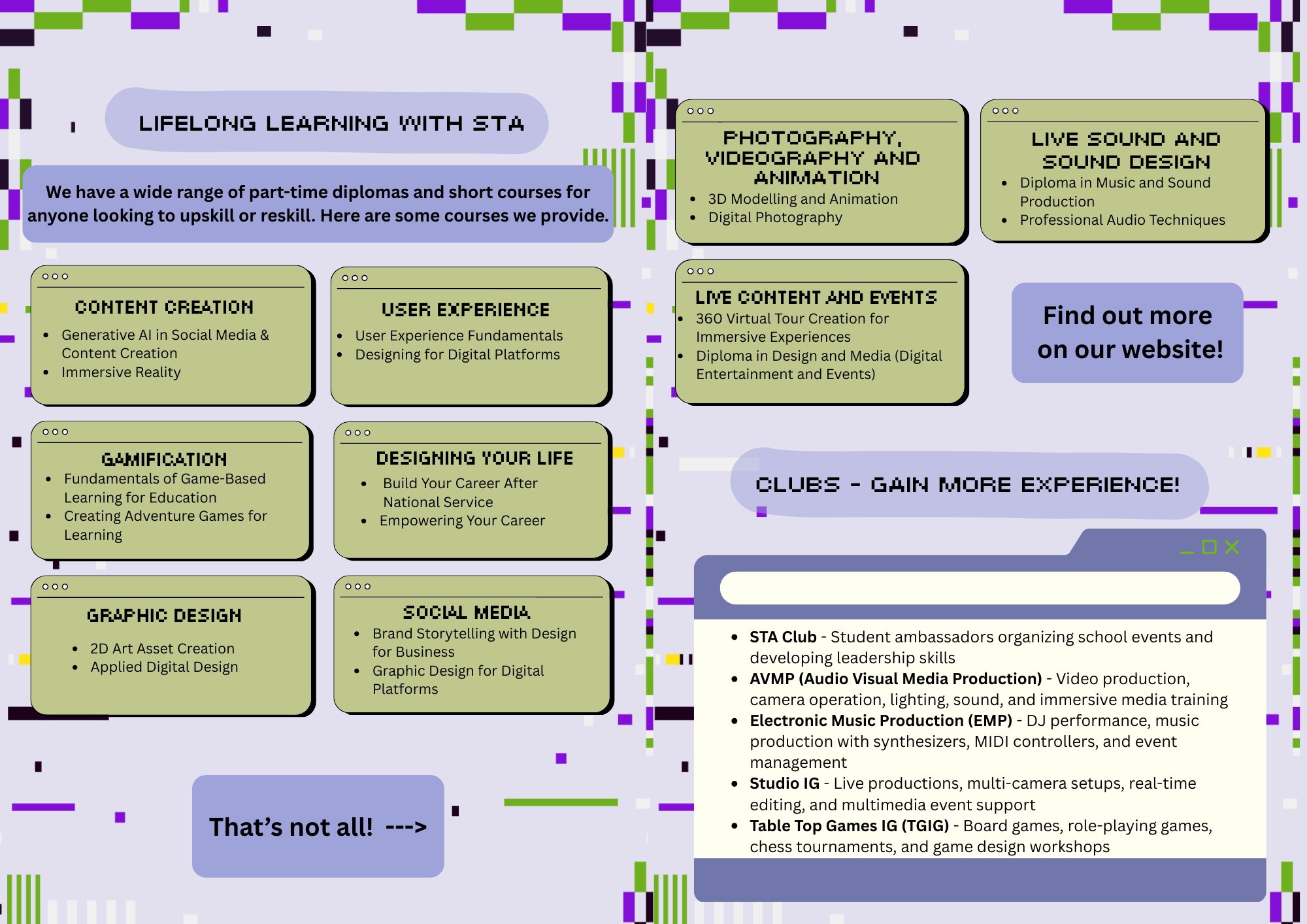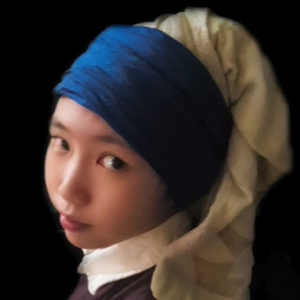
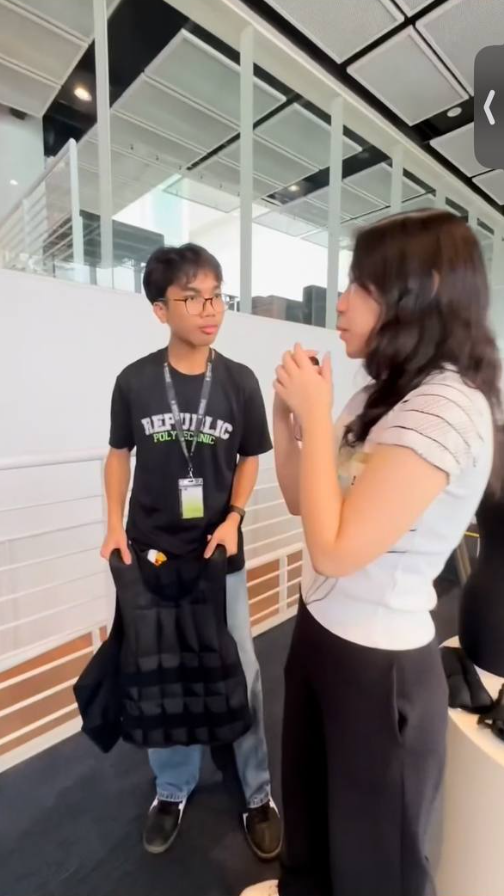
Tik Tok Video
One out of a few
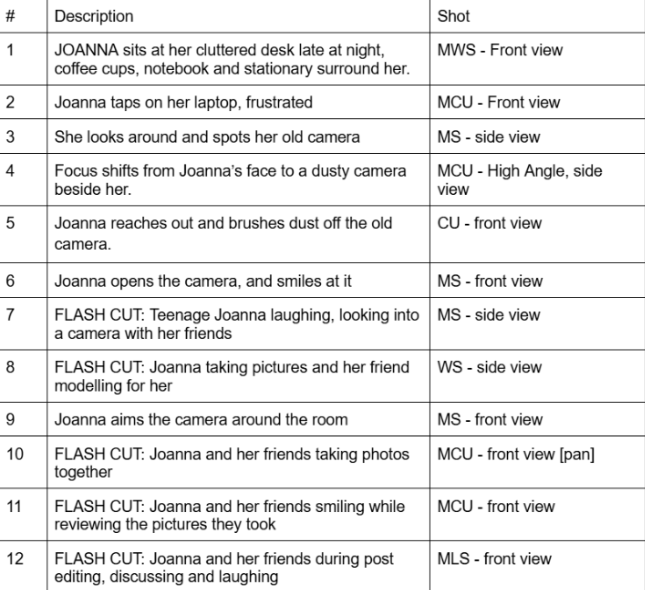
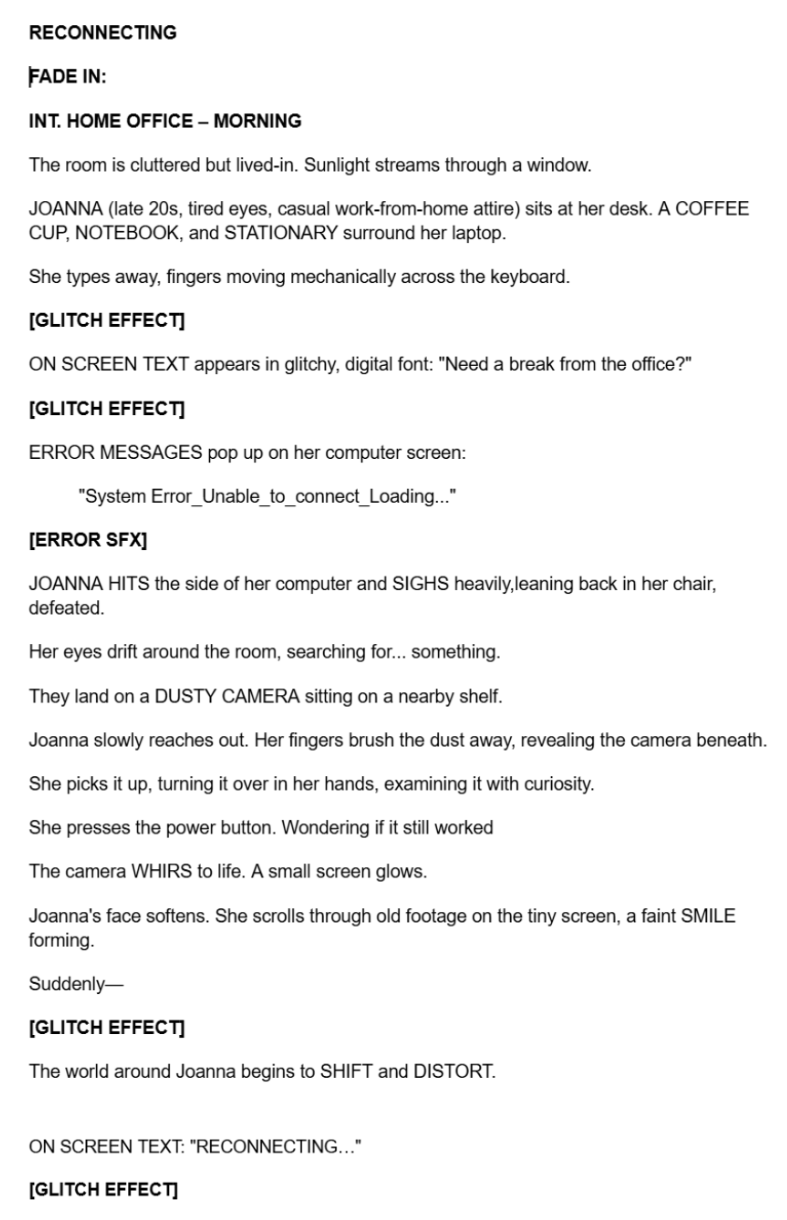
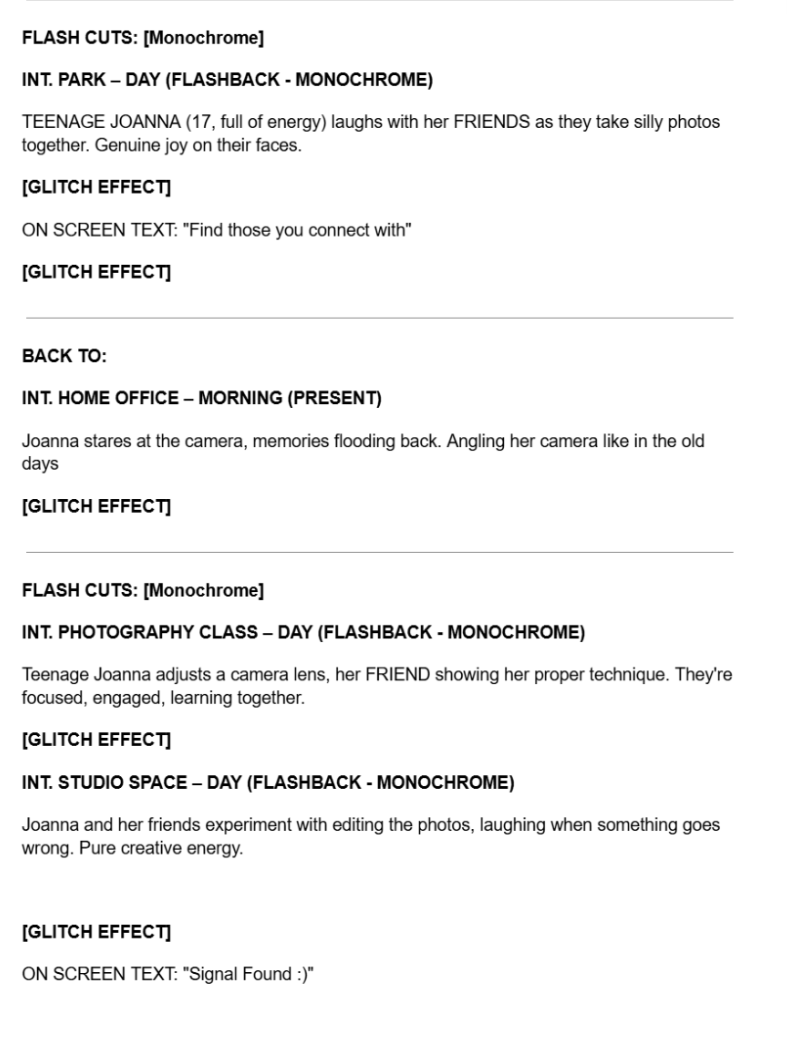
Videos Available upon request, using Premiere Pro and Illustrator
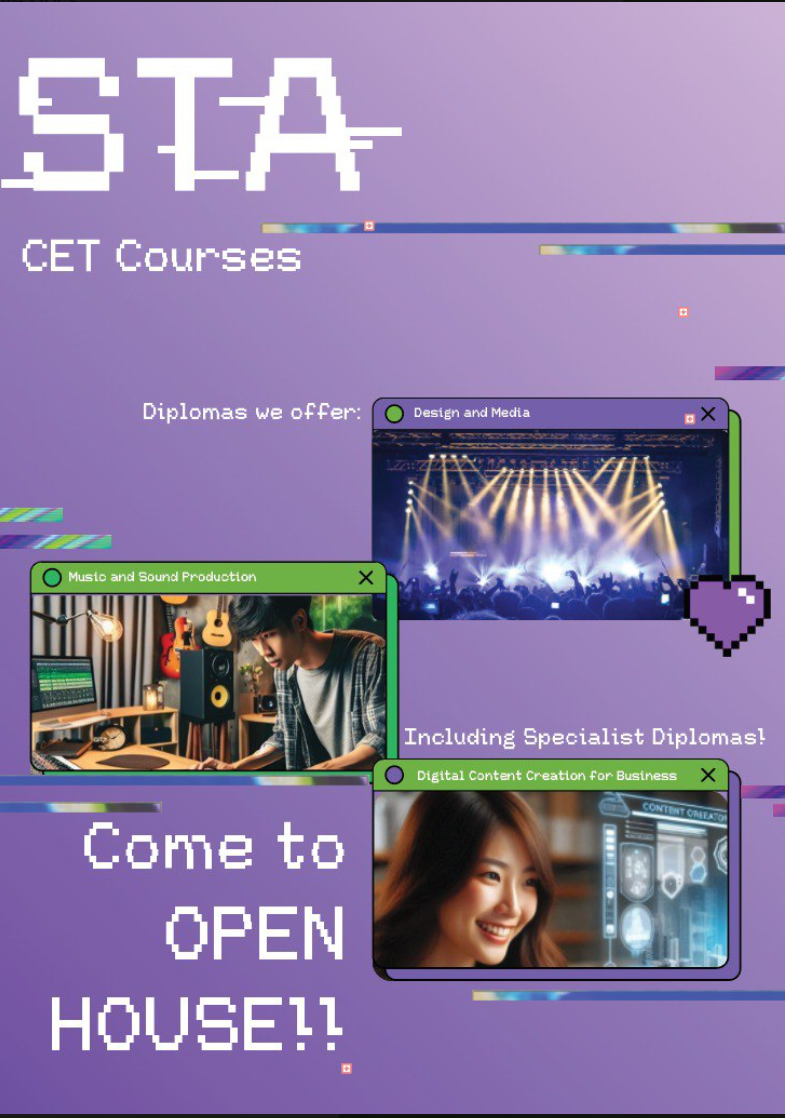
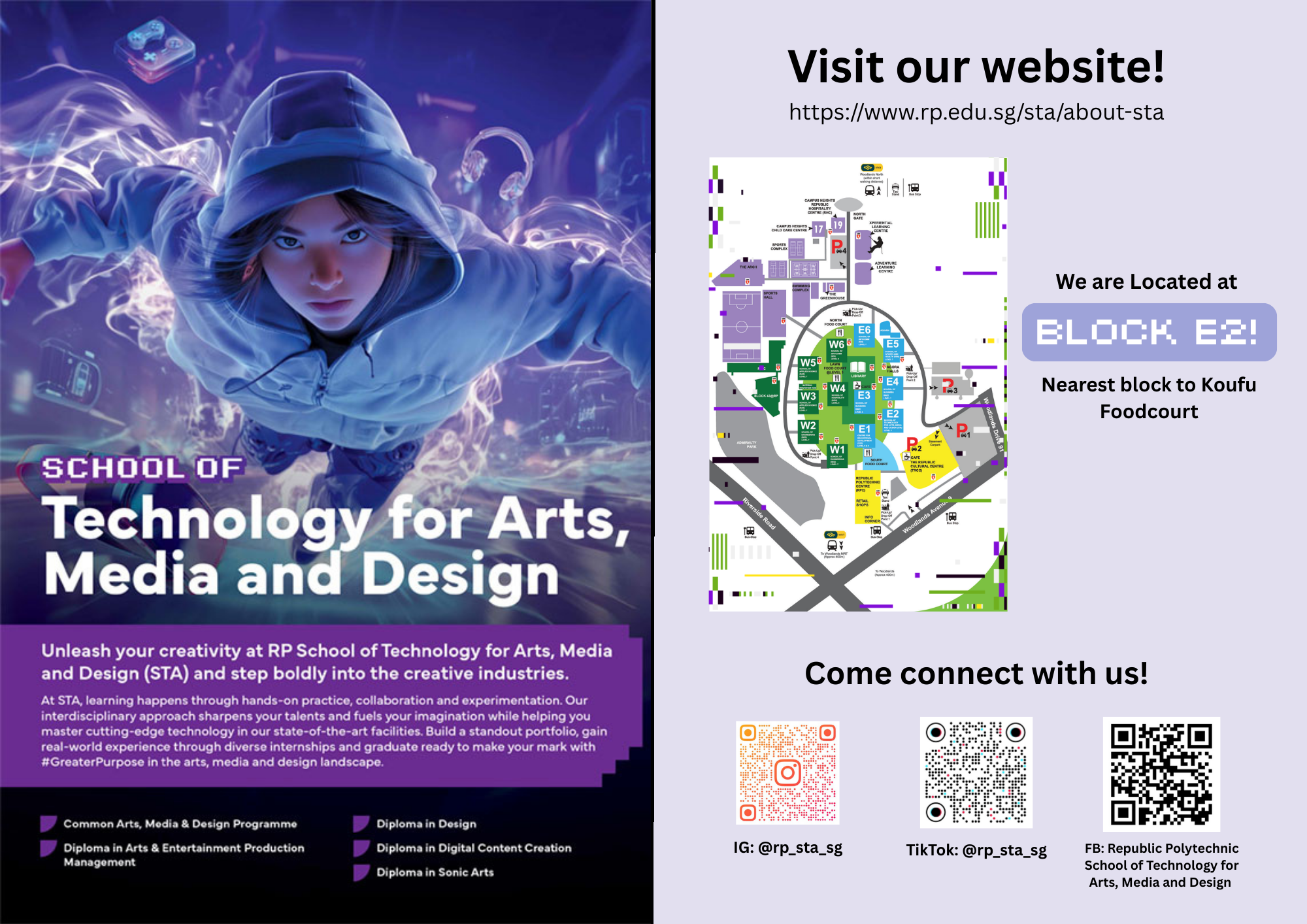
Using Illustrator and Canva
This project developed two STA marketing campaigns: one targeting secondary school and ITE graduates showcasing creative learning and student life, and another for working adults promoting CET upskilling courses. We created engaging videos, designs, and templates for both audiences to attract attention on social media and at open house events.
I actively participated in team discussions, voicing questions and clarifying doubts throughout the project. By speaking up about inconsistencies I noticed, I helped reveal that our understanding of the campaign and mood board differed, causing inconsistent work. Though my honest feedback about small details sometimes felt uncomfortable, my teammates were open-minded and listened. This helped us fix problems early, reach consensus, and stay on track throughout the project.
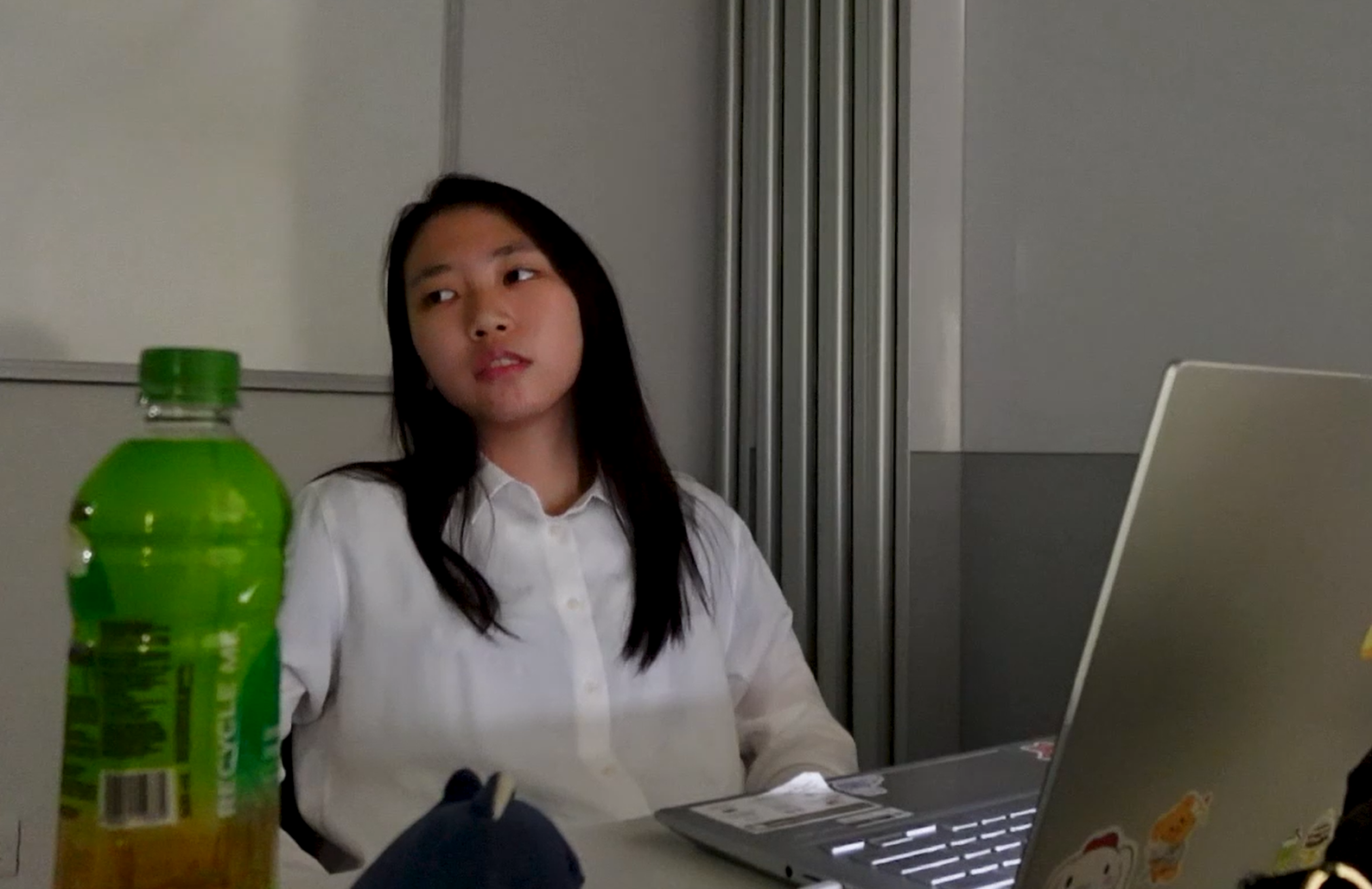
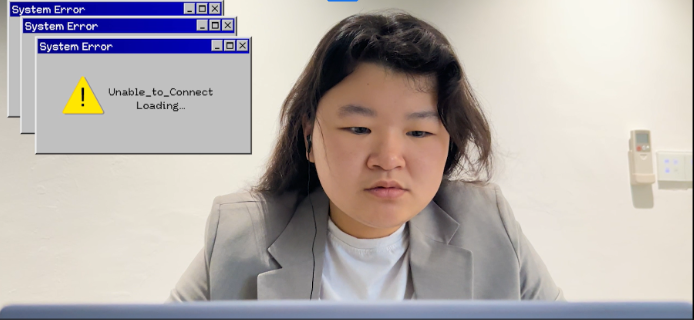
I handled the CET video from start to finish. I acted in the draft video during planning, rewrote the script and camera script, sourced assets and sound effects, and added glitch effects manually. I constantly asked for feedback to understand the vision better and re-edited everything based on client feedback. I also stepped up to help my team leader complete the brochure when needed, requiring minimal adjustments.
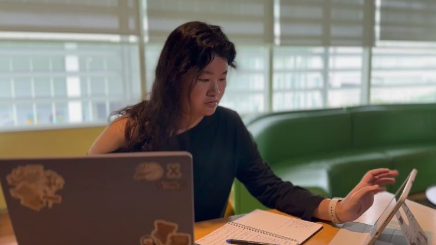
I created the first CET poster draft, following teacher feedback and our mood board closely. I also made a glitch border template for Instagram Stories to maintain visual consistency across our social media content. I researched STA's courses and interest groups for the brochure, added color-coded tabs, and organized everything clearly. Additionally, I suggested ideas for TikTok videos and hosted one of them.
I was overseas during the filming dates for the videos, so I had no input on what was being filmed despite being the editor. Due to my absence, they temporarily took over my poster role for check-ins. When I returned, I had no idea what they had recorded or what had changed from the original plan—they didn't fill me in. When I asked if there was more footage, they said that was all I had and there was no time to reshoot. The editor's heavy workload meant the task got passed to me, which I was actually thankful for since I had barely any roles initially. However, working with limited footage was challenging. I adapted and managed to edit a draft with what I had. After our supervisor's feedback and rejection, we had no choice but to reshoot, though the quality was lower than the original footage. I did what I could with the new material, constantly asking for feedback and making adjustments. I successfully edited the video to meet approval standards despite the footage limitations and communication gaps, ultimately delivering work that satisfied both the supervisor and client.
I initially disagreed with how our leader was handling things—I thought she was too soft or too lenient. Based on my prior experience planning events and proposals with teams, this approach felt very different from what I was used to. I also disagreed with the moodboard design and had a different vision since it wasn't my usual style. When I pointed this out, it was four against one, so I adapted and went with the majority. I tried asking my teammate to see her work for consistency reference, but she didn't show me. Without seeing what she was doing, our work ended up looking inconsistent—exactly as the feedback indicated. My ideas occasionally got overlooked, especially during the first few weeks when everyone was still getting to know each other. I realized I needed to adapt to this team's style rather than expect them to match my previous experiences. I kept asking questions and pointing out inconsistencies I noticed, even when it felt uncomfortable. When I finally saw the PET video during the vetting session with our teacher, I used it as reference to better understand the editing approach. By speaking up about inconsistencies, I helped reveal that our understanding of the campaign differed, which allowed us to fix problems and reach consensus. I learned that different leadership styles can still be effective, even if they don't match my preferences. This improved our workflow and final output quality as we learned to work together better.
I wasn't familiar with anyone on the team initially, which made finding my place challenging during those first few weeks. During role distribution, I was the first to request the producer role, but it was given to someone else while I was assigned simpler tasks. When I asked to contribute more, the discussion moved on. Additionally, managing this project alongside other school modules was overwhelming. The long meetups and initial communication gaps were difficult to juggle. I felt uncertain about my role at first and wished I had spoken up sooner, but my anxiety held me back. I pushed through the initial awkwardness and focused on doing my assigned tasks well. I took on additional responsibilities when they became available, like the video editing. I proved my value through quality work and gradually became more comfortable voicing my thoughts. Everything eventually fell into place, and I ended up with a bigger, more meaningful role in the project. As we adapted to working together with our supervisor's guidance, my contributions became recognized and I gained confidence. The challenging first few weeks ultimately taught me resilience, and our team successfully completed all deliverables by the deadline. There's no bad blood—it was simply a learning experience in team adaptation.
This project taught me that communication isn't just about talking—it's about making sure everyone understands the same vision and stays updated. Our initial struggles with inconsistent work and confusion came from not checking in regularly or sharing our progress. I learned that speaking up about doubts and clarifying questions, even when it feels uncomfortable, prevents bigger problems later. Asking to see references, requesting updates, and voicing concerns aren't annoying—they're necessary for good teamwork. I'm now more proactive in team settings. I ask questions without hesitation, share my progress regularly, and make sure I understand what others are doing. I've realized that open communication creates smoother workflows and prevents the frustration we experienced early on. This has made me a better collaborator who contributes to team clarity rather than confusion.
I learned that not every leader leads the same way and not every team works the same way. Initially, I disagreed with how our leader handled things—thinking she was too soft or lenient compared to my previous team experiences. However, I realized that whether the method matches my preference or not, I still have to adapt to it. Being overseas during filming, working with limited footage, handling client rejections, and managing unexpected role changes taught me to be flexible and resourceful. I couldn't control the circumstances or leadership style, but I could control my response. I'm more open-minded about different working styles now. I understand that there's no single "correct" way to lead or organize a team—what matters is adapting and making it work. This has made me more confident facing unexpected challenges and better at staying calm under pressure. I've also learned to stand up for myself more and voice my needs, even in uncomfortable situations, while respecting that others may approach things differently.
Working with unfamiliar people taught me an important lesson: not everyone has to be your friend to work together effectively. The ultimate objective is completing the goal, and once it's done, you don't have to interact beyond that. The first few weeks were challenging—I felt like an outsider and struggled to have my voice heard. However, I learned that proving your value through quality work and maintaining professionalism matters more than personal bonds. The world will be filled with situations where I have to work with unfamiliar people and face unique challenges that come with it. I now view every challenging team experience as a learning opportunity. I've learned to be respectful, polite, and adaptive while keeping calm under pressure. I'm more patient when joining new teams and don't take initial awkwardness personally. I focus on contributing meaningfully and maintaining professional relationships rather than expecting friendships. This mindset has made me more mature in collaborative settings—I approach new team situations with less anxiety, more confidence, and a clearer understanding that successful collaboration is about shared goals, mutual respect, and professional conduct, not necessarily personal connection.